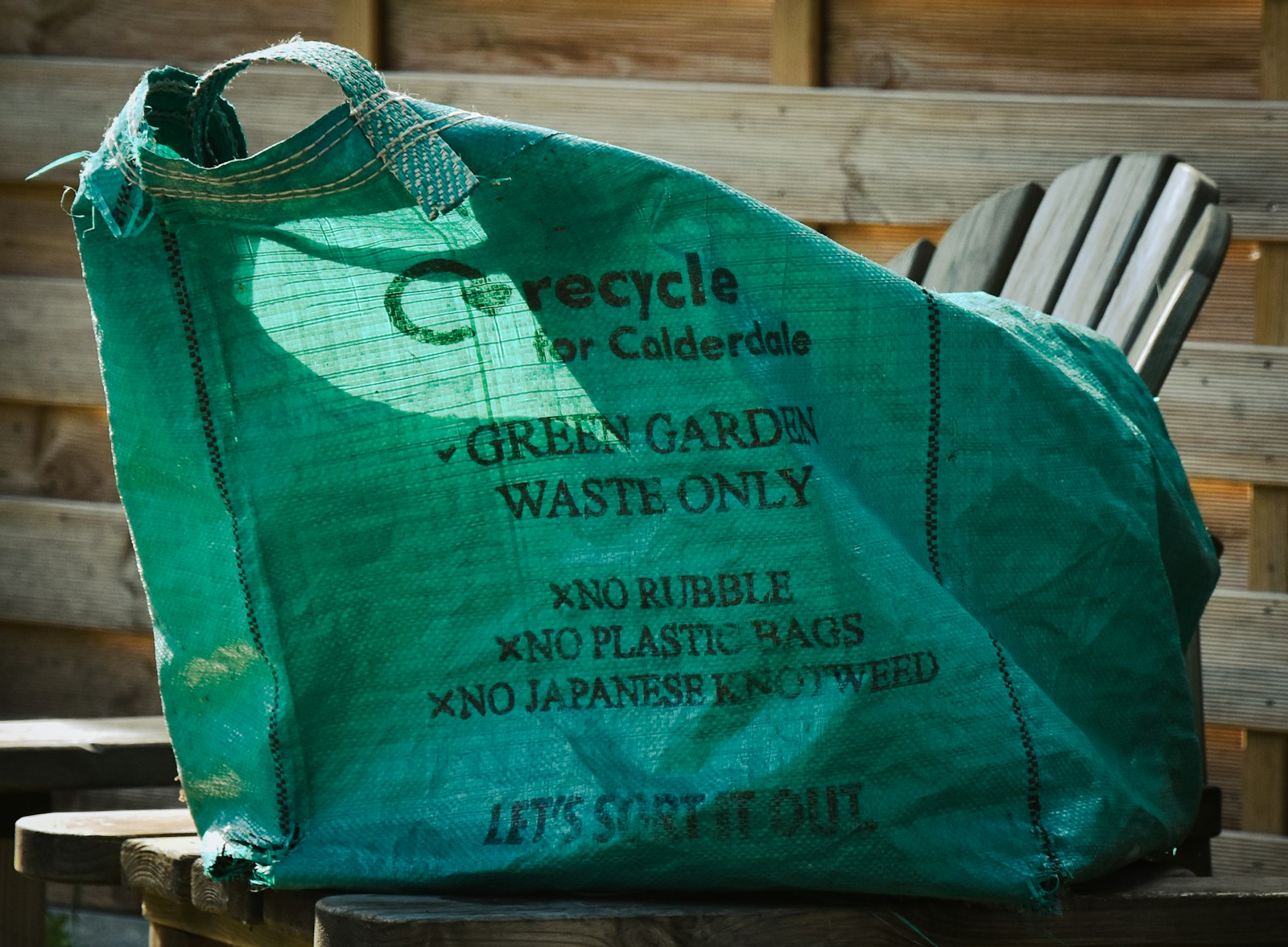
Composting and garden waste removal aren't competing options — most households end up using both, depending on the type and volume of waste involved. Here's how to think about which to use when.
When composting makes sense
- Small volumes of grass clippings, leaves and soft plant material
- Fruit and vegetable kitchen scraps
- You have garden space for a compost heap or bin, and want to feed it back into your soil
- You're not in a rush — composting takes weeks to months to break down fully
When collection makes more sense
- Large branches, hedge trimmings or a full garden clean-up
- Diseased plant material, which shouldn't go into compost as it can spread
- You don't have space, time, or interest in maintaining a compost heap
- You need the area cleared quickly — after a landscaping job or before an event
A hybrid approach
Many households compost soft kitchen and garden scraps at home, while booking a collection for bulkier garden rubble — branches, trimmings, and anything a compost heap can't realistically handle in a reasonable time. This keeps some material cycling locally through your own soil, while still clearing out what would otherwise sit around for months.
If you're planning a big garden overhaul and expect a large volume of waste, mention it when booking — we can bring a trailer for bigger loads so it's one visit instead of several.