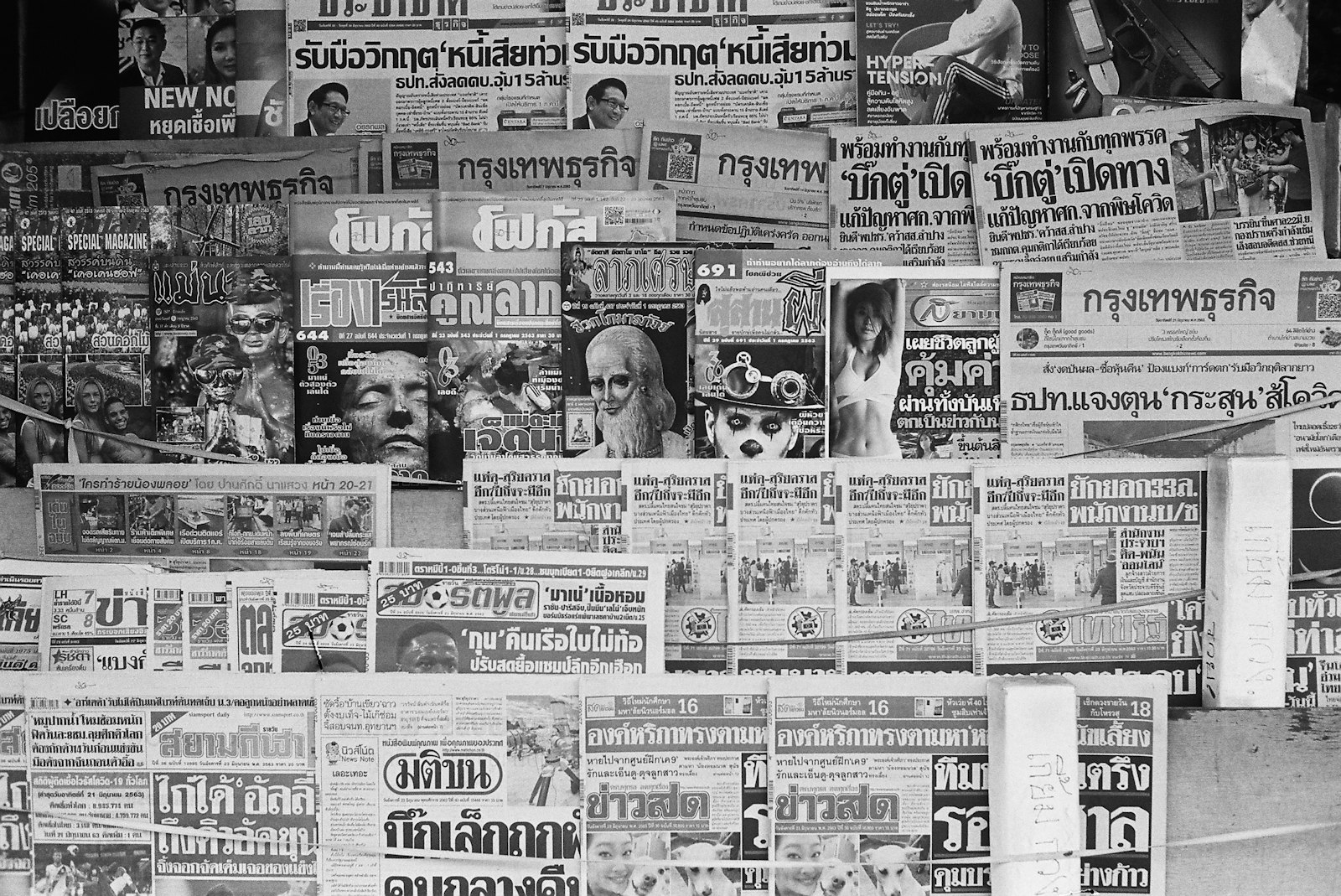
It's easy to put newspapers or office paper out for collection without thinking much about what happens next. Here's the short version of how paper actually gets turned back into paper.
Collection and sorting
Once collected, paper is typically sorted by grade — newspaper, white office paper, and cardboard are handled differently because they're made from different fibre blends and inks. Mixing grades badly can reduce the value and quality of the recycled output, which is part of why keeping newspapers separate from general household rubbish helps.
Baling and processing
Sorted paper is compressed into large bales for transport to a recycling mill. At the mill, it's mixed with water and broken down into pulp, which is then cleaned of contaminants like staples, plastic windows from envelopes, and ink (through a de-inking process for higher-grade paper).
Back into new products
The cleaned pulp is pressed and dried into new paper products — anything from tissue and packaging to new newsprint. South Africa's paper recycling rate reached 63.3% in 2025, up from 60% the year before, diverting roughly 1.2 million tonnes of paper and packaging from landfill annually. Paper can typically be recycled five to seven times before its fibres become too short to reuse.
Why it's worth separating at home
Recycling paper and cardboard has saved South Africa nearly 40 million cubic metres of landfill space to date, and the recycling process uses considerably less energy than producing new paper from raw timber. If you've got a steady stream of newspapers or office paper, regular collection keeps it in that loop instead of landfill.